What Maintenance Is Required for an Electric ATV?

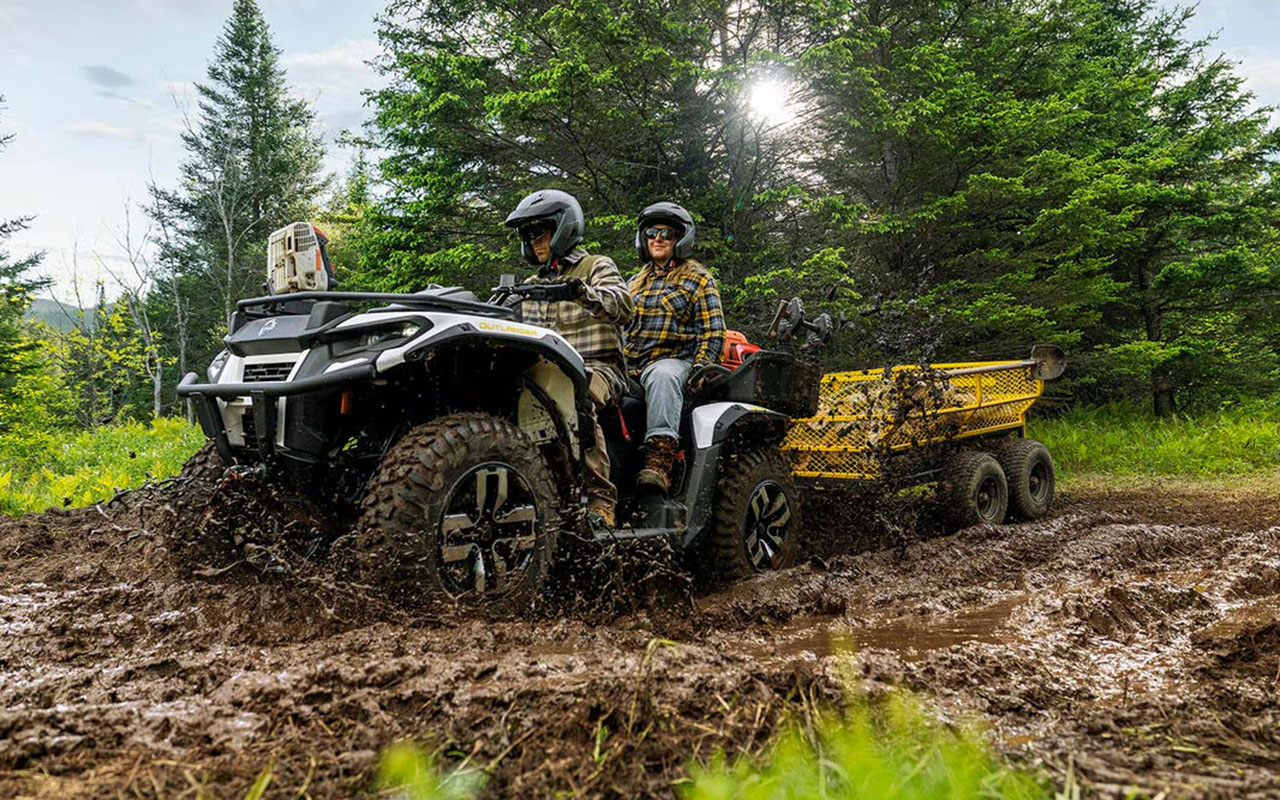
Purchasing an electric ATV brings many benefits. They don’t require increasingly costly fuel or produce emissions that negatively impact the environment, they offer instant torque off idle and are whisper quiet so they don’t disrupt wildlife or annoy the neighbors.
Another compelling reason to choose an EV vehicle is maintenance. There are fewer moving parts to worry about and less complexity in the way of plugs, fluids and filters that need changing on an ATV with an internal combustion engine.
You’re not off the hook for maintenance entirely, as there are still parts that need to be inspected and potentially replaced. Given the very nature of ATVs and their use, damage can still occur under the strain of work tasks or during playtime.
Wear-and-Tear Items Still Apply
Tires, for example, are actually likely to wear faster on an EV due to the added battery weight and aforementioned torque. Brakes will also need attention, though not as often due to the parasitic loss of motors and regenerative braking systems. Brake pads and rotors still wear over time, and there’s still brake fluid to monitor and change at recommended intervals.
Drivetrain and Chassis Considerations
Many EVs use direct hub motors, but depending on how the rig gets power to the wheels, there may be a chain, gearbox, or driveshaft that needs maintenance over time. Chains require cleaning, lubrication, and tension adjustments, while gearboxes and driveshafts need periodic fluid changes as well as being inspected for wear at the joints and boots.
Suspension components also need to be regularly checked. Bushings wear, shocks lose compression, seals leak, and pivot points can develop play.
The battery should be checked regularly too. Not the high-voltage pack that provides juice to the electric motor or motors, but the 12V accessory battery that provides power to instruments, lights, and electronics. These smaller batteries can degrade over time and may need replacement every few years, depending on usage and storage conditions.
Nuts, bolts, and screws can also work themselves loose, especially if you run your rig hard. The same goes for protective pieces like skid plates that bear the brunt of hard knocks. In theory, these items should be built to last, but if you’re doing a lot of rough riding, you should give them a look to make sure they’re okay.
Cooling and Electrical Systems
Many EV ATVs and UTVs use liquid-cooled motors, which means coolant levels and condition should be checked according to the manufacturer’s schedule. Hoses, fittings, and radiators should be inspected for leaks, damage, or debris buildup that could affect cooling performance.
Electrical connections, charging ports, and wiring harnesses should also be inspected periodically for corrosion, damage, or loose connections, especially if you ride in wet, muddy, or salty conditions.
Light bulbs also burn out, regardless of powertrain choice. Many newer EV models use LED lighting, which lasts longer, but may require specialized replacement over time.
Battery Care and Best Practices
While the main battery is designed to last for thousands of charge cycles, how you charge and store your EV can affect its long-term health. Follow the manufacturer’s recommendations for charging rates, avoid regularly draining the battery to zero, and store the vehicle in moderate temperatures when possible. If you’re storing your EV for an extended period, check the manual for guidance on ideal state-of-charge levels for storage.
Key Ownership and Usage Considerations for Electric ATVs
Before purchasing an electric ATV, consider things like how and where it will be used. Extreme temperatures, along with towing or heavy payloads will drastically reduce range. Battery packs, motors, and charging points are sealed for water resistance but not for prolonged exposure or submersion, so crossing rivers or streams higher than the floorboards or pegs is not advisable.
The Bottom Line
The best thing to do when it comes to addressing regular maintenance and ownership is what you should do with a gas-powered unit: research the best machine for your needs and reference the owner’s manual to follow the recommended usage and guidelines.
While EVs have an advantage in terms of having less maintenance to do, and therefore, lower maintenance costs, they aren’t completely maintenance-free.
It’s something to keep in mind when shopping for that next ATV.
Tim Healey
You might also like


